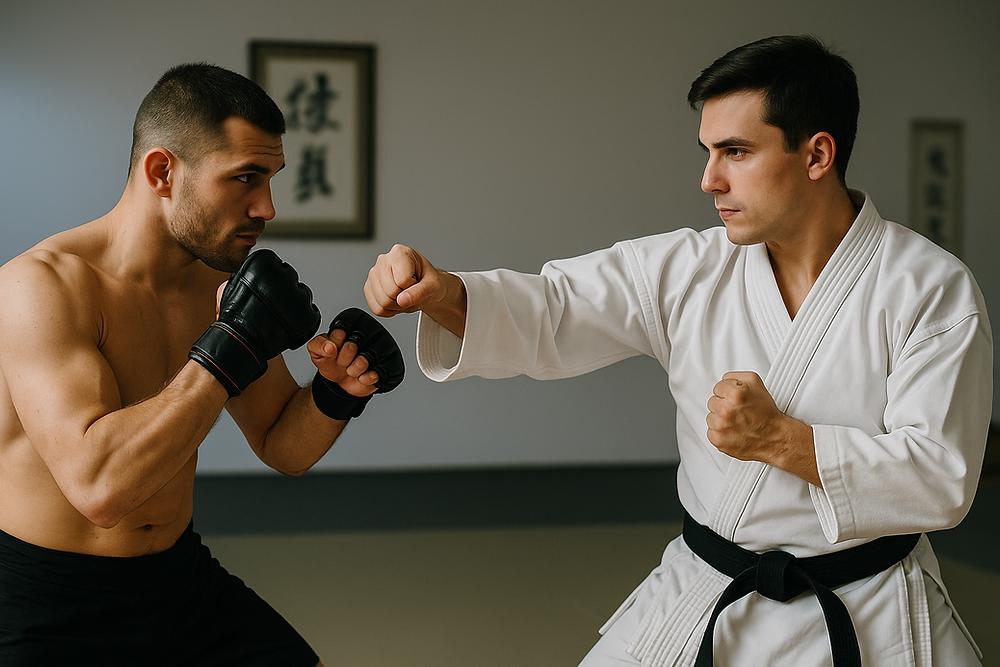
A modern martial-arts student may practice in a digital age, learn through online instruction, and train with equipment that previous generations never imagined. Yet many of the traditions that have shaped martial arts for centuries remain present: the bow before training, the respect shown to instructors and training partners, the repetition of fundamental techniques, and the emphasis on patience, discipline, and continuous improvement. These traditions are not simply historical customs. They continue to influence how martial artists train today.
By Anoo
Tradition Provides a Foundation
Martial-arts traditions developed over generations because they reflected important lessons about learning and personal development.
Many traditional practices emphasize humility, respect, and the understanding that mastery takes time. These principles remain relevant because they address something universal: becoming skilled requires commitment and consistent effort.
While techniques and training methods may evolve, the fundamental process of learning has not changed. Students still improve through repetition, guidance, and dedication.

By KohXD
Preserving the Lessons While Adapting to the Future
Modern martial arts continues to evolve. Training methods have become more accessible through online programs, improved equipment, sports science, and new teaching approaches. These changes provide valuable opportunities for more people to experience martial arts.
However, modernization does not require abandoning tradition. The most effective training often combines the best of both worlds—using modern knowledge while preserving the principles that have guided martial artists for generations.
A student can benefit from advanced training methods while still embracing respect, discipline, and the mindset of continuous improvement.
By enterlinedesign
Why Tradition Still Matters
Tradition helps remind students that martial arts is more than a collection of techniques. A punch or kick can be taught quickly, while developing patience, focus, and character takes much longer.
The rituals and values associated with traditional training create an environment where students understand that martial arts is a journey rather than simply a physical activity. They encourage students to appreciate the process, respect those who came before them, and recognize that every practitioner is part of a much larger history.

By Dilok
The Future
Martial arts has survived for centuries because it has been able to adapt while maintaining its core principles.
The future of martial arts will continue to bring new technology, new teaching methods, and new ways of reaching students. But the values at the heart of training—discipline, respect, perseverance, and self-improvement—will remain just as important as they have always been.
Tradition does not prevent martial arts from evolving. It provides the foundation that allows it to continue growing.
Global Martial Arts University
At the Global Martial Arts University (GMAU), we believe everyone should have access to the training they need to protect and better themselves. That’s why we built a better, proven way to learn martial arts!
We’ve been working with international distance-training students since 2008. We’ve created cutting-edge home-study courses that truly work. We hold our instructors, courses, and student support to the highest standard, so you receive the best training experience possible.

All GMAU martial-arts courses include in-depth training videos that take you from white belt to black belt. They feature anywhere access, instructor support, and an easy-to-follow training path for home-study success. New classes are added to each course regularly!