

Imagine finishing a martial-art workout feeling good about your technique but realizing that your breathing is getting heavier than you’d like. You can perform the movements correctly, but after several minutes of continuous practice fatigue begins to affect your balance, focus, and coordination. For many martial artists, this is a familiar experience. Developing technical skill is important, but having the cardiovascular endurance to maintain that skill throughout a training session is equally valuable.
The good news is that improving your endurance doesn’t require constant running, jumping, or high-impact workouts. Low-impact cardio can help you build stamina while placing less stress on your joints. Whether you’re a beginner, an experienced practitioner, or someone who prefers training at home, there are several effective ways to improve your conditioning without turning every workout into a high-intensity session.

By lexiconimages
Why Cardio Matters in Martial Arts
Martial arts requires more than short bursts of strength. Practicing forms, repeating techniques, moving through combinations, and performing conditioning drills all place demands on your cardiovascular system. As fatigue builds, it becomes harder to maintain proper posture, execute techniques precisely, and remain mentally focused.
Improving your endurance helps you practice longer without becoming excessively fatigued. It can also make your regular training sessions feel more manageable, allowing you to devote more attention to technique rather than simply trying to catch your breath.
Cardiovascular conditioning doesn’t have to be complicated. The most effective routine is one you can perform consistently and recover from comfortably. For many students, low-impact activities provide an excellent starting point.

By NDABCREATIVITY
Walking, Cycling, and Other Low-Impact Options
Brisk walking is one of the simplest ways to build cardiovascular endurance. It requires little equipment, can be performed almost anywhere, and is easy to adjust according to your current fitness level. A regular walk can also serve as a useful recovery activity on days when you’re not practicing martial arts.
Cycling, whether outdoors or on a stationary bike, provides another effective option. It allows you to increase your heart rate without repeatedly absorbing the impact associated with running or jumping. Swimming and water-based exercise can also develop endurance while reducing weight-bearing stress on the body.
You can even incorporate low-impact movement into your martial arts practice. Controlled footwork, repeated stances, continuous hand techniques, and flowing forms can become useful conditioning activities when performed for sustained periods at an appropriate intensity. The key is to maintain good technique rather than sacrificing movement quality to keep going.

By InfiniteFlow
Building Endurance at Home
One advantage of home-based training is that cardio sessions can be adapted to fit your schedule. You don’t necessarily need a treadmill, exercise bike, or other specialized equipment to improve your endurance.
For example, you might begin with 15 to 20 minutes of brisk walking several days per week. On another day, you could practice a sequence of basic stances, hand techniques, and controlled footwork at a steady pace. As your fitness improves, gradually increase the duration or frequency of your sessions rather than making every workout more intense.
Pay attention to how you feel during and after exercise. You should generally be able to speak in sentences during moderate-intensity cardio. If you experience unusual shortness of breath, chest discomfort, dizziness, or other concerning symptoms, stop exercising and seek appropriate medical guidance.
By Mudassir
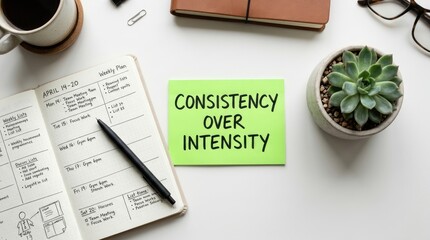
Consistency Over Intensity
It’s tempting to assume that harder workouts always produce better results. In reality, conditioning improves through repeated effort, adequate recovery, and gradual progression. A manageable routine performed consistently is often more beneficial than an ambitious plan that leaves you exhausted or causes you to skip future sessions.
Low-impact cardio also complements martial arts rather than replacing it. Walking may improve your general endurance, for example, while practicing controlled combinations helps you apply that endurance to the movements you actually use in training.

By anika
The Path Forward
You don’t need to run long distances or perform exhausting workouts to become a better-conditioned martial artist. Walking, cycling, swimming, and sustained low-impact martial-arts practice can all help build the endurance you need for more productive training sessions.
Start with an activity you enjoy, establish a realistic schedule, and increase your workload gradually. Over time, you may notice that you can practice longer, recover more comfortably between drills, and maintain better control when fatigue begins to set in.
The GMAU Combat Strong Program
Global Martial Arts University has a modern, science-based strength and endurance course called Combat Strong. This course is designed with the martial artist in mind. It’s also a great total-body workout for non-martial artists!
Check out the course overview and learn more about the coach, Weston Titus. You can even try a FREE workout!
SIGN UP today and get Combat Strong!

The goal isn’t simply to work harder. It’s to develop the stamina that allows you to keep working and stay healthy.