Krav Maga

How Martial Arts Traditions Shape Modern Training
A modern martial arts student may practice in a digital age, learn through online instruction, and train with equipment that previous generations never imagined. Yet many of the traditions that have shaped martial arts for centuries remain present. The bow before training. The respect shown to instructors and training partners. The repetition of fundamental techniques. The emphasis on patience, discipline, and continuous improvement. These traditions are not simply historical customs. They continue to influence how martial artists train today.

How Martial Arts Traditions Shape Modern Training Read More »

Teaching Martial Arts Values to Children and Teens

A child steps onto the training floor for the first time. They may be excited about learning martial arts, but they probably aren’t thinking about discipline, respect, perseverance, or personal growth. They are thinking about learning cool techniques. And that’s perfectly normal. For many children and teenagers, martial arts begins as an exciting activity. They want to learn kicks, earn belts, and experience the challenge of training. But over time, something much deeper begins to develop. The physical skills become the vehicle. The values become the lesson.

Teaching Martial Arts Values to Children and Teens Read More »

The Importance of Community in Martial Arts

A student finishes a martial arts lesson at home. The room is quiet, the training space is simple, and there may not be a group of students standing nearby or an instructor watching every movement. At first glance, it may seem like a very individual experience. But martial arts has never truly been defined by a physical location. For centuries, martial arts knowledge has been passed from teacher to student through dedication, mentorship, and shared experiences. While training environments have changed over time, the importance of connection has remained the same. Today, martial artists can build meaningful communities in many different ways. A student training online may practice with a spouse or family member, connect with an instructor for guidance, share progress with other students, or become part of a worldwide network of people working toward similar goals. Community may look different than it did generations ago, but it remains an essential part of the martial arts journey.

The Importance of Community in Martial Arts Read More »

Situational Awareness: The First Skill of Self-Defense

When people think about self-defense, they often picture punches, kicks, or escaping from an attacker. While physical skills certainly have their place, experienced instructors know that effective self-defense begins long before a confrontation ever occurs. It begins with awareness: paying attention to your surroundings, recognizing potential risks, and making decisions that reduce the likelihood of becoming a target in the first place. Situational awareness isn’t about living in fear or expecting danger around every corner. It’s about developing the habit of being present, observant, and prepared. Many times, that awareness can help you avoid problems altogether, making it one of the most valuable self-defense skills you’ll ever develop.

Situational Awareness: The First Skill of Self-Defense Read More »

Self-Defense Training vs. Sport Martial Arts: Key Differences

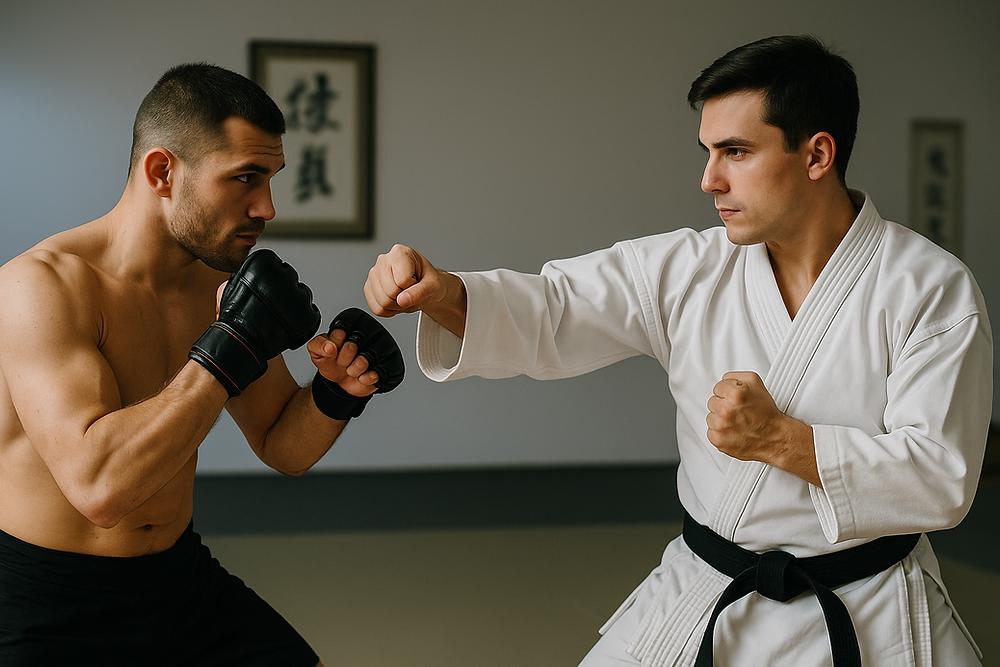
Two students begin martial arts classes on the same day. Both learn punches, kicks, blocks, and footwork. Both train diligently and improve their physical abilities. Yet after several years, their skills may look surprisingly different. Many martial arts share common techniques, however, the purpose behind the training often shapes the way those techniques are practiced. Some schools focus primarily on competition, while others emphasize practical self-defense. Neither approach is inherently better, they simply prepare students for different situations. Understanding those differences can help you choose training that best aligns with your personal goals.

Self-Defense Training vs. Sport Martial Arts: Key Differences Read More »

Training Martial Arts Outdoors: Benefits and Challenges

While many martial artists train indoors, outdoor practice offers a unique experience that can enhance both physical and mental development. Parks, beaches, backyards, and open fields provide opportunities to train in a different environment and challenge yourself in new ways. Like any training method, outdoor practice comes with both advantages and challenges.

Training Martial Arts Outdoors: Benefits and Challenges Read More »