Shotokan Karate

Self-Defense Training vs. Sport Martial Arts: Key Differences
Two students begin martial arts classes on the same day. Both learn punches, kicks, blocks, and footwork. Both train diligently and improve their physical abilities. Yet after several years, their skills may look surprisingly different. Many martial arts share common techniques, however, the purpose behind the training often shapes the way those techniques are practiced. Some schools focus primarily on competition, while others emphasize practical self-defense. Neither approach is inherently better, they simply prepare students for different situations. Understanding those differences can help you choose training that best aligns with your personal goals.
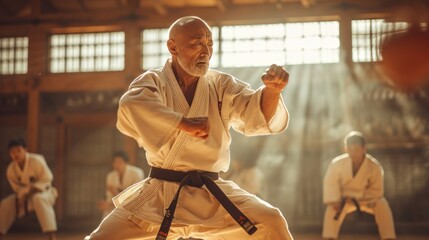
Why Shotokan Karate Is Great for Adults Starting Martial Arts Later in Life

Many adults think martial arts are only for kids or competitive athletes, but Shotokan Karate proves otherwise. In fact, it’s one of the best disciplines for people beginning their martial arts journey later in life. Its structure, philosophy, and adaptability make it a path not only for physical fitness but for mental growth and balance as well. Read on to learn more about beginning a karate journey as an adult.

What to Expect in Your First Martial Arts Class with the Global Martial Arts University

Starting your martial arts journey is exciting—and maybe a little intimidating. Whether you’ve signed up for Taekwondo, Krav Maga, Shotokan Karate, Muay Thai, Nunchaku, or Bojutsu training through the Global Martial Arts University (GMAU), knowing what to expect can help you feel more confident and ready to train. Read on for more!

Understanding Shotokan Karate Dojo Etiquette

Shotokan karate, like all traditional martial arts, places a high value on respect, discipline, and proper conduct. This etiquette is more than just formalities; it reflects the spirit and philosophy behind the art. Even if you train solely at home, you should understand these cultural aspects of your martial art. Read on to learn more.

Listen to Your Instructor!

In martial arts, progress is not just about physical training. While the hours spent perfecting techniques, building strength, and enhancing flexibility are crucial, an often-overlooked aspect of success is the ability to listen. Specifically, learning how to listen to your instructor is one of the most powerful tools in your martial arts journey.

The Philosophy of Shotokan Karate

Karate, like many martial arts, is not just about physical techniques but also embodies a deep philosophical aspect. This philosophy is rooted in the principles of respect, discipline, humility, and continuous self-improvement. This blog post examines the philosophical roots of Shotokan Karate.