strength

Joint Health for Martial Artists: Knees, Hips, and Shoulders

Martial arts demand power, speed, and precision – but none of that matters if your joints can’t keep up. Knees, hips, and shoulders take the brunt of striking, grappling, throws, and repeated impact. Keeping them healthy isn’t about avoiding hard training; it’s about training smarter. Check out this blog post on keeping your joints healthy!


Bodyweight Strength Progressions for Martial Artists at Home

You don’t need a fully equipped gym to build strength for martial arts. Bodyweight training offers a practical, effective way to develop strength, stability, and control—especially for martial artists training at home. When structured as progressions, bodyweight exercises can be just as challenging as lifting weights. Keep reading to dive into these topics.

Plyometric Training for Explosive Martial Arts Power

Explosive power is a defining trait of effective martial artists. Whether delivering a fast kick, closing distance with a strike, or reacting to an opponent’s movement, speed and power often matter more than sheer strength. Plyometric training focuses on developing this explosiveness by training muscles to produce maximum force in minimal time. Check out the plyometric training tips in this blog post.

Strength vs. Skill: What Beginners Should Prioritize First

One of the most common questions new martial artists ask is whether they should focus more on getting stronger or learning techniques. While both are important, skill should come first—especially in the early stages of training. Martial arts are built on timing, positioning, and efficiency, not raw power alone. Read on…

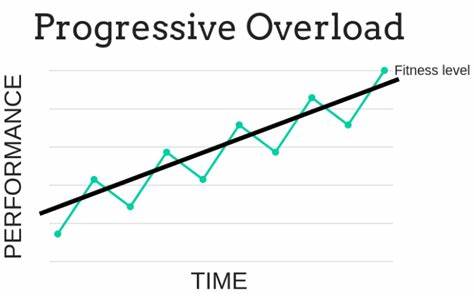
Progressive Overload for Martial Arts Training

In martial arts, strength, speed, endurance, and technique are all crucial for success. But how do you ensure consistent improvement over time? The answer lies in progressive overload, a fundamental training principle that applies to martial arts just as much as it does to weightlifting and conditioning. By understanding the science behind it, martial artists can train smarter, avoid plateaus, and continually enhance their performance. This blog explores the progressive overload principle and how you can apply a scientific approach to training.

Beginner’s Compound Exercise Workout Plan

As discussed in our previous blog post, Compound Exercises for Functional Strength, compound exercises are perfect for martial artists because they build functional strength, improve coordination, and enhance overall athleticism. In this article, we give you a beginner’s compound-exercise plan that’s designed to be done 3 times a week (e.g., Monday, Wednesday, Friday) with rest …

Beginner’s Compound Exercise Workout Plan Read More »