Martial arts demand power, speed, and precision. But none of that matters if your joints can’t keep up.
Knees, hips, and shoulders take the brunt of striking, grappling, throws, and repeated impact. Keeping them healthy isn’t about avoiding hard training; it’s about training smarter. Check out this blog post on keeping your joints healthy!
By dar
Knees: Stability Over Brutality
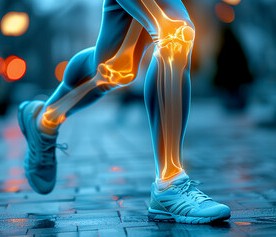
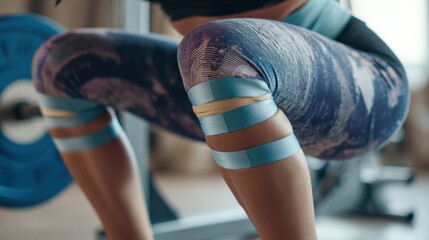
The knee is primarily a hinge joint, which means it depends heavily on the muscles and joints above and below it for protection. In martial arts, poor foot positioning, collapsing knees during stances, and repeated pivoting can gradually overload the joint.
To protect your knees, emphasize alignment and deceleration strength.
Training controlled squats, step-downs, split squats, and lateral movements teaches the knee to absorb force safely.
Strengthening the hamstrings and glutes reduces shear stress during kicks, takedowns, and sprawls.
Equally important isankle and hip mobility. Limited movement in these areas often forces the knee to compensate, increasing injury risk.
Persistent swelling, clicking, or instability is not “normal soreness” and should be addressed early. Ignoring it often leads to chronic problems.

By F8 / Suport Ukraine
Hips: The Power Center
The hips are the engine of nearly every martial-arts movement – kicks, throws, strikes, and transitions all begin here. When hip mobility is limited or strength is unbalanced, power leaks occur and other joints (especially the knees and lower back) take the hit.
Many martial artists struggle with tight hip flexors and underactive glutes, especially if they sit for long periods outside training. This imbalance reduces rotation and extension, which can blunt striking power and slow level changes.
Effective hip care combinesactive mobility and strength. Controlled rotational drills, deep lunges, and loaded hip hinges help maintain usable range of motion.
Strong hips not only improve performance but also act as shock absorbers during impact and ground exchanges.
By Drobot Dean
Shoulders: Mobile and Strong
The shoulder is the most mobile joint in the body, and one of the most vulnerable. Striking, clinching, and grappling place the shoulder in extreme positions under load, making strength and control essential.
Many shoulder injuries stem frompoor scapular stability and weak rotator cuff muscles. If the shoulder blade doesn’t move and anchor properly, the joint itself takes excessive stress. This is especially common in grapplers and older practitioners.
Preventive work should focus on pulling movements, posture, and controlled overhead strength. Rows, band rotations, and slow presses build resilience without sacrificing mobility.
Regular recovery and awareness of shoulder fatigue are critical because once shoulder issues begin, they tend to linger.

By GoodIdeas
Take Home Message
Healthy joints don’t come from a single exercise, they come from consistent habits.
Warm-ups that prepare joints, strength training that reinforces good mechanics, and recovery that respects accumulated stress all work together.
Martial artists who prioritize joint health don’t just avoid injury—they move better, hit harder, and train longer.
GMAU Combat Strong
Global Martial Arts University has a modern, science-based strength and endurance course called Combat Strong. This course is designed with the martial artist in mind. It’s also a great total-body workout for non-martial artists
Check out the course overview and learn more about the coach, Weston Titus. You can even try a FREE workout!
SIGN UP today and get Combat Strong!