Training While Traveling: Martial Arts “on the Road”

For martial artists, staying sharp while traveling can be a challenge. Without access to a dojo, training partners, or equipment, it’s easy to feel like your skills are slipping. However, with a little creativity, you can maintain and even refine your martial arts abilities while on the go. Read on to get ideas on how to continue training while traveling.

Bojutsu with Improvised Objects

The staff (or Bō) is a versatile weapon that teaches control, precision, and fluid movement. But in a real-world situation, you likely won’t have an actual staff on hand. The ability to adapt your skills to improvised (or “found”) objects—like broomsticks, walking canes, or even tree branches—can be a valuable asset for self-defense and practical application. Read on to get more suggestions on this topic.

Cardio Workouts for Martial Artists: Enhancing Stamina and Performance

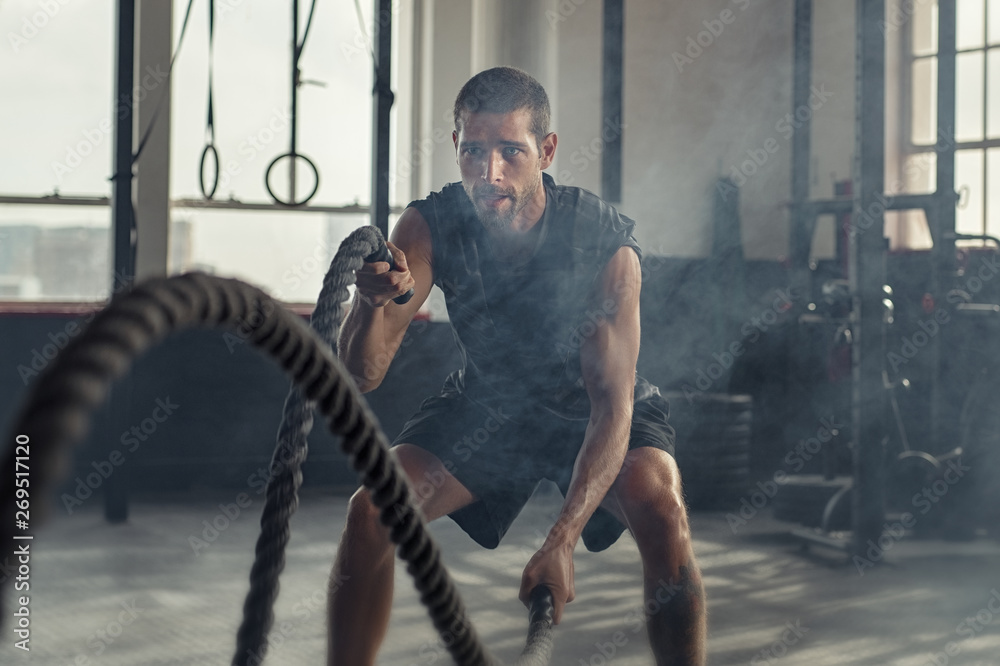
Cardio is a crucial component of martial arts training, as it builds endurance, improves recovery time, and enhances overall performance. Whether you’re a Muay Thai fighter, a Shotokan karateka, or a Taekwondo practitioner, a strong cardiovascular foundation allows you to maintain speed, power, and focus throughout training and competition. Read on for tips on improving your cardio.

Making Training a Lifelong Habit

Martial arts aren’t just hobbies or sports, they are a lifelong journey of growth, discipline, and self-improvement. However, many martial artists struggle with consistency, whether due to work, family obligations, injuries, or burnout. The key to long-term success isn’t just motivation; it’s making training an ingrained habit that becomes a natural part of your life. Read on to learn more about how to stay committed to your training for the long haul.

5 Must-See Movies Featuring Taekwondo

Taekwondo, known for its powerful kicks and dynamic movements, has been showcased in various films over the years. Whether it’s in traditional martial arts stories, tournament-based dramas, or action-packed fight sequences, Taekwondo plays a significant role in many movies. This blog post highlights 5 great films featuring Taekwondo.

Progressive Overload for Martial Arts Training

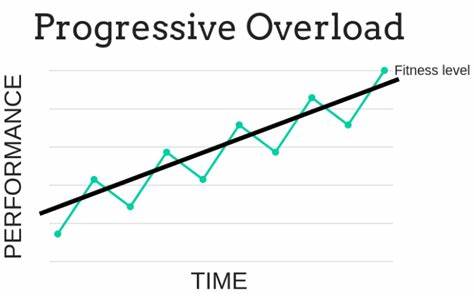
In martial arts, strength, speed, endurance, and technique are all crucial for success. But how do you ensure consistent improvement over time? The answer lies in progressive overload, a fundamental training principle that applies to martial arts just as much as it does to weightlifting and conditioning. By understanding the science behind it, martial artists can train smarter, avoid plateaus, and continually enhance their performance. This blog explores the progressive overload principle and how you can apply a scientific approach to training.