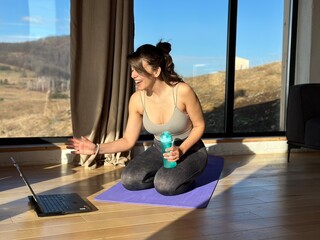
A student finishes a martial-arts lesson at home. The room is quiet, the training space is simple, and there may not be a group of students standing nearby or an instructor watching every movement. At first glance, this may seem like a unique experience. But martial arts has never truly been defined by a physical location.
For centuries, martial-arts knowledge has been passed from teacher to student through dedication, mentorship, and shared experiences. While training environments have changed over time, the importance of connection has remained the same.
Today, martial artists can build meaningful communities in many different ways. A student training online may practice with a spouse or family member, connect with an instructor for guidance, share progress with other students, or become part of a worldwide network of people working toward similar goals. Community may look different than it did generations ago, but it remains an essential part of the martial-arts journey.
By Sudarsan Thobias
Martial Arts Has Always Been About Connection
When people think about martial arts, they often focus on the physical aspects—the techniques, forms, weapons, conditioning, and self-defense skills.
But anyone who has trained for a significant amount of time understands that martial arts teaches much more than physical movement. It teaches discipline, perseverance, humility, and respect. These lessons are often strengthened through relationships with others.
A student who struggles with a new technique benefits from encouragement. A student preparing for a rank evaluation benefits from feedback and support. A beginner gains confidence knowing that others have faced the same challenges before them.
Community reminds us that martial arts is not just about what we accomplish individually. It’s about being part of a tradition and learning alongside others who share the same commitment to growth.
By IRIS AIKO
Creating Your Own Training Community
One of the advantages of modern martial-arts training is that students have more flexibility than ever in creating an environment that supports their goals.
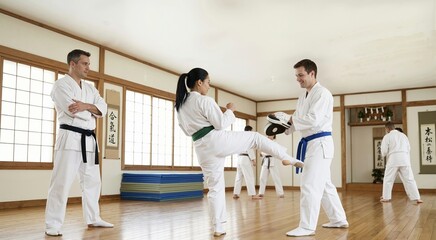
Some students choose to train with a partner. This could be a spouse, family member, friend, or another person who shares an interest in martial arts. Having someone to practice with creates accountability, motivation, and the opportunity to help each other improve.
Family training can be especially rewarding. Parents and children can share an activity that promotes fitness, discipline, and quality time together. Partners and friends can encourage one another and celebrate milestones along the way.
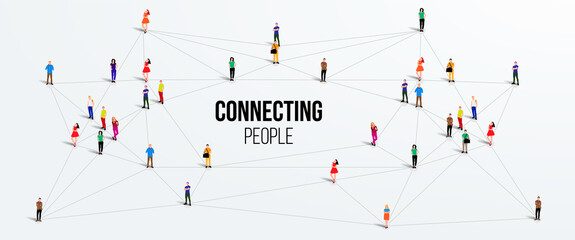
In today’s world, community is increasingly “electronic”. Many of us create deep and meaningful relationships with others via the web. The Global Martial Arts University’s student community is just one example.
As a Global Martial Arts University (GMAU) student, you can connect online with highly qualified instructors and with other students via discussion boards and the community forum built into the GMAU student dashboard. For more information, see this blog post: “How to Train in the GMAU When You’re a Full Student (Paid Account).”
Even when training individually, GMAU students create community by staying engaged. Asking questions, seeking feedback, and interacting with instructors helps create a connection that goes beyond simply watching instructional material.
The strongest martial artists are not necessarily those who train the most. They are often those who build routines and relationships that help them be consistent.
By Xenia
Learning From Instructors and Fellow Students
A common misconception about online martial-arts training is that students must figure everything out on their own. In reality, effective martial-arts learning has always depended on guidance and feedback. Instructors play an important role by helping students understand techniques, correct mistakes, answer questions, and provide direction throughout the learning process. Regular interaction with an instructor helps students stay focused and continue progressing.
Students can also learn from one another. Sharing experiences, discussing challenges, and encouraging others creates a sense of connection and belonging.
Technology has expanded the ways martial artists can communicate. Instead of being limited to a single training location, students today have opportunities to connect with people from different backgrounds and locations who share a common passion.

By Jon Anders Wiken
Community Keeps the Journey Moving Forward
Every martial artist experiences moments when motivation decreases or progress feels slower than expected. During those times, having support can make the difference between giving up and continuing forward. A training partner who encourages you. An instructor who provides guidance. A fellow student who shares a similar challenge. These connections help transform martial arts from an activity into a lifelong journey.
The techniques may be practiced individually, but the growth that comes from martial arts is often strengthened through connection with others.

By Rumi
The Bigger Lesson
Community in martial arts has never been limited to a building, a schedule, or a specific training environment. It exists wherever people gather around shared goals, support one another, and commit to improvement.
Whether you train with family members, practice with a partner, interact with instructors, or connect with fellow students online, you’re part of something larger than yourself. Martial arts may be a personal journey, but it’s one that becomes even more meaningful when you share it with others.
The GMAU has multiple courses for you to choose from. For any of these courses, you can set up a Beginner’s Account and try them for FREE!
In addition, you can view samples of follow-along classes and lessons from ALL courses on the GMAU YouTube channel.