There’s a common belief that if your martial-arts training isn’t painful, dangerous, or brutally intense, it can’t possibly prepare you for a real-life encounter. Movies, television, and viral videos often reinforce this idea by portraying self-defense as little more than all-out combat.
In reality, effective self-defense, or sport martial-arts training, looks very different. The best programs recognize that realism and safety are not opposing ideas. In fact, they work together. By training intelligently, using progressive drills, and respecting your training partners, you can prepare for real-world situations without exposing yourself to unnecessary injuries during practice.
One of the biggest challenges in martial-arts training is learning techniques designed for dangerous situations without creating unnecessary danger during practice. After all, if students regularly injured one another while training, very few people would continue practicing for long.
This is why effective self-defense instruction balances realism with safety. The goal is to prepare students for real-world situations while creating an environment where they can learn, improve, and return to train again tomorrow.

By ABU
Realism Doesn’t Require Recklessness
Some people believe that realistic training means practicing at full speed and full power every time. Experienced instructors understand that meaningful learning occurs through gradual progression.
Students first develop proper mechanics through controlled practice. As confidence and skill increase, instructors introduce additional pressure, movement, timing, and realistic decision-making while maintaining appropriate safety measures.
This progression allows students to experience realistic challenges without exposing themselves to unnecessary risk.

By EtiAmmos
Good Partners Make Better Martial Artists
Training partners play an important role in creating a safe learning environment. Respect, communication, and mutual trust allow both students to challenge one another while remaining aware of each other’s abilities and limitations. A good partner pushes you to improve without treating every drill like a competition.
This cooperative mindset benefits everyone involved. Students gain confidence because they can practice realistically while knowing their partner is committed to learning—not winning.
By airdone
Confidence Comes From Repetition
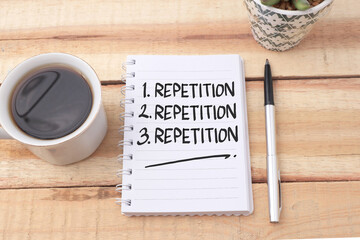
Realistic self-defense is built through hundreds of well-executed repetitions rather than a handful of reckless encounters. Each drill develops better timing, stronger decision-making, and greater confidence under pressure. Over time, students become more comfortable responding to stressful situations because they have practiced solving similar problems in a controlled setting.
The objective is not to convince yourself that every scenario will unfold exactly as practiced. Instead, training develops adaptable skills that help you think clearly and respond effectively when faced with the unexpected.
By xy
The most effective martial-arts training prepares students for real-world situations while protecting them from unnecessary injuries during practice. Safe training is not unrealistic training. In many ways, it’s the only kind of training that allows students to continue learning year after year.
By combining realism with sound instruction, mutual respect, and consistent practice, martial artists develop skills that are both practical and sustainable for a lifetime.
The GMAU Muay Thai Course
Muay Thai is a martial art and sport that involves a lot of sparring with partners. As such, safety and realism are important aspects of this training.
Want to learn Muay Thai from a high-level instructor in the comfort of your own home? Check out the GMAU Muay Thai course!
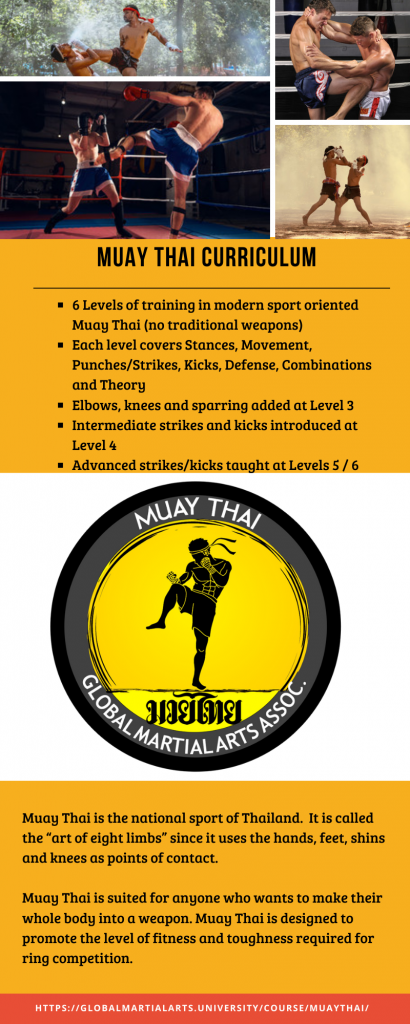
Set up a FREE Beginner’s Muay Thai Account and start training TODAY!