Explosive power is a defining trait of effective martial artists. Whether delivering a fast kick, closing distance with a strike, or reacting to an opponent’s movement, speed and power often matter more than sheer strength. Plyometric training focuses on developing this explosiveness by training muscles to produce maximum force in minimal time. Check out the plyometric training tips in this blog post.

By Atstock Productions
Plyometric exercises use rapid stretching and contracting of muscles—known as the stretch-shortening cycle.
Movements like jump squats, box jumps, clap push-ups, and lateral bounds closely mirror the demands of martial arts techniques.

By mcjanuald
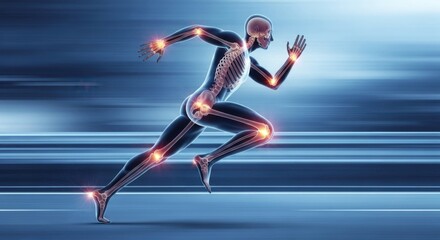
These exercises train the nervous system to fire quickly, improving reaction time and strike speed while enhancing overall athletic performance.
For martial artists, plyometrics should be performed with control and proper technique.
By SR Stock
Quality matters more than quantity. Short, intense sets with full recovery allow you to maintain power output without excessive fatigue.
Plyometric training is most effective when added two to three times per week, often after a thorough warm-up or at the beginning of a training session.


Global Martial Arts University
To help you achieve your resolutions for greater physical fitness, self-confidence, and mental well-being, the GMAU has many martial-art programs for you to consider. Check out our videos at the GMAU YouTube channel to see what we offer.
Find a course you’re interested in? Great! Set up a FREE Beginner’s Account and start training TODAY with no obligation!