

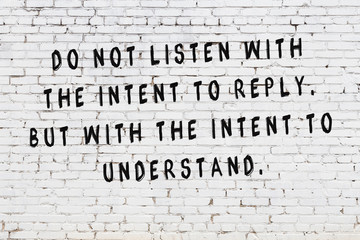
In martial arts, progress is not just about physical training. While the hours spent perfecting techniques, building strength, and enhancing flexibility are crucial, an often-overlooked aspect of success is the ability to listen. Specifically, learning how to listen to your instructor is one of the most powerful tools for success in your martial-arts journey. Read on to learn more about maximizing feedback from your instructor.
by iushakovsky
Learning from Experience
Martial-arts instructors rely on their years—sometimes decades—of experience for instructing their students. Every drill, technique, and piece of advice they offer is a result of countless hours of practice, sparring, and even personal failure. By listening to them, you’re tapping into that reservoir of wisdom, allowing you to avoid mistakes and develop more efficiently. You’re not just learning the “how” but also the “why” behind every technique and principle, which can drastically improve your understanding and performance.
Preventing Injury
The martial-arts environment can be rigorous, especially as you progress to more advanced techniques or sparring. Listening carefully to your instructor’s corrections on posture, form, and pacing is critical to prevent injury. Often, minor adjustments suggested by your instructor can prevent joint damage, muscle strains, or even more serious injuries down the road. These corrections might seem insignificant, but over time they become the foundation for both safety and mastery.
Understanding Subtlety
The beauty of martial arts lies in its subtleties. A slight shift in stance, a minor change in breathing, or the timing of a strike can be the difference between success and failure in a technique.
Martial arts isn’t just about brute force; it’s about precision and mindfulness. Your instructor has the eye for these nuances. When they speak, it’s often to highlight things you may not even notice yet. Pay close attention to their guidance so you can unlock these deeper layers of technique and strategy.
Developing Discipline
Discipline is at the heart of every martial-arts practice. Part of developing this discipline comes from listening. Your instructor sets the tone and culture for training, providing not just technical instruction but also lessons on behavior, respect, and mental toughness.
Whether it’s through a simple reminder to focus on the task at hand or a deeper lesson on the martial way, listening to your instructor helps you internalize the values of martial arts and apply them correctly to your practice.
by Feng Yu
Building Trust
The relationship between a martial artist and their instructor is built on mutual respect and trust. When you listen to your instructor, you’re showing that you respect their knowledge and are committed to your own improvement. This, in turn, builds a strong foundation of trust.
As your instructor sees your willingness to learn and grow, they’ll be more invested in your progress and will push you to reach your full potential.
Maximizing Your Time and Effort
Martial arts requires dedication, and it also requires efficiency. There’s a limited amount of time in each class, and your instructor knows how to make the most of it. When you listen carefully, you’ll be able to apply corrections immediately, making each session far more productive. This allows you to progress faster and ensures you’re not wasting time repeating the same mistakes.
Cultivating a Teachable Attitude
Listening to your instructor is not just about absorbing information, it’s about being humble and open to learning. No matter how experienced you are, there’s always more to learn in martial arts. By actively listening, you cultivate a teachable attitude in yourself, which is essential for long-term growth.
The best martial artists never stop learning, and that mindset starts with listening.
Openly Receiving Personalized Feedback
Every student has unique strengths and weaknesses. Your instructor is there to provide individualized feedback to help you progress in your martial- arts journey. Openly listening to this personalized guidance without mental resistance allows you to address specific areas of improvement.
Whether it’s tweaking your balance, adjusting your striking technique, or focusing on your breathing, your instructor’s feedback is tailored to you. Ignoring it or being defensive about it can mean missing out on key insights that can improve your technique and accelerate your progress.

by JackF
Listening to your martial arts instructor goes beyond just hearing their words—it’s about fully engaging with their knowledge, respecting their experience, and applying their guidance to your own practice. In doing so, you set yourself on the path to becoming a better martial artist, both in skill and in character.
So, next time you hear from your instructor, remember: listen openly and closely. When you do, you’ll find that each lesson brings you one step closer to mastery.
Global Martial Arts University

The GMAU has 6 major martial-arts courses for you to choose from.
Our highly qualified Instructors will keep you motivated and help you learn and grow in your martial arts journey!
And GMAU Instructors provide individually tailored instruction, correction, and advice to each of their students.
When you navigate to any of the courses on the GMAU website you can click on the JOIN NOW FREE button to set up a FREE Beginner’s Account and start training IMMEDIATELY!