karate

How Cross-Training Makes You a Better Martial Artist
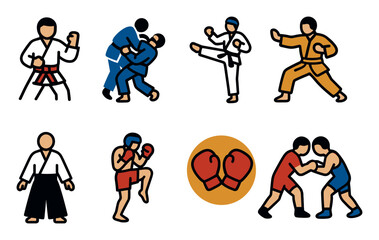
Martial arts styles each have their own strengths—some focus on striking, others on grappling, weapons, or movement. But as more practitioners explore multiple systems, cross-training has become a powerful way to sharpen skills and deepen understanding. By stepping outside a single discipline, martial artists discover fresh perspectives that make them stronger, more adaptable, and better prepared for real-world challenges. This blog post highlights the value of cross-training in martial arts.

The Role of Respect and Honor in Martial Arts

While martial arts are often associated with strength, striking, and self-defense, their true foundation lies in respect and honor. Long before the first punch is thrown or the first technique is mastered, students are taught to cultivate character. These values guide every interaction on the mat, shaping martial arts not only as a physical pursuit, but as a pathway toward personal growth. Read on for more illustrations of these ideals in martial arts.

Martial Arts as a Mindfulness Practice

When most people think of martial arts, they picture powerful kicks, fast punches, and intense sparring sessions. But beneath the physical training lies something deeper: mindfulness. Martial arts, at its core, is as much about mastering the mind as it is about training the body. Every movement, breath, and moment of focus becomes a practice in awareness and presence. This blog post explores mindfulness in a martial arts context.

The Evolution of Martial Arts Media in Pop Culture

Martial arts have long fascinated audiences around the world, blending athleticism, discipline, and storytelling into a single powerful art form. Over the decades, its presence in pop culture has evolved from mysterious Eastern traditions to a universal language of heroism, empowerment, and identity. Read on for an overview of how martial arts media has changed over the years from the 1970s to present.

How to Tie Your Belt in 4 Easy Steps

Tying your belt — or obi — is one of the first lessons every traditional martial-arts practitioner learns. It’s also one that carries deep meaning — in addition to keeping your uniform together, it symbolizes respect, focus, and readiness for training. Whether you practice karate, taekwondo, or another traditional martial art, knowing how to tie …

How to Tie Your Belt in 4 Easy Steps Read More »

Why Shotokan Karate Is Great for Adults Starting Martial Arts Later in Life

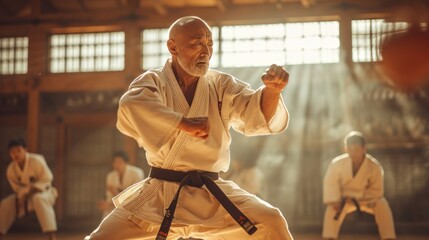
Many adults think martial arts are only for kids or competitive athletes, but Shotokan Karate proves otherwise. In fact, it’s one of the best disciplines for people beginning their martial arts journey later in life. Its structure, philosophy, and adaptability make it a path not only for physical fitness but for mental growth and balance as well. Read on to learn more about beginning a karate journey as an adult.