
Food for Thought

How to Set Realistic Martial Arts Goals (and Stick to Them)

Setting goals in martial arts can be incredibly motivating—but only if those goals are realistic and sustainable. Many beginners fall into the trap of aiming too high, too fast, which often leads to burnout or frustration. The key to long-term success is learning how to set goals that challenge you while still fitting your lifestyle, experience level, and current abilities. Read on to learn more!

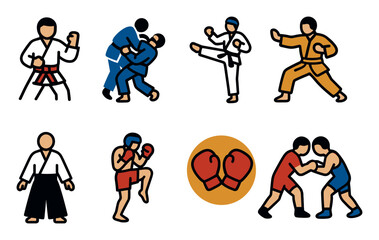
Building a Weekly Training Schedule That Balances Strength, Skill, and Recovery

A well-rounded martial artist isn’t built through nonstop training alone—it’s built through balance. Strength, technical skill, and recovery all play essential roles, and neglecting any one of them can slow progress or increase the risk of injury. A smart weekly schedule ensures steady improvement without overtraining.

How Cross-Training Makes You a Better Martial Artist

Martial arts styles each have their own strengths—some focus on striking, others on grappling, weapons, or movement. But as more practitioners explore multiple systems, cross-training has become a powerful way to sharpen skills and deepen understanding. By stepping outside a single discipline, martial artists discover fresh perspectives that make them stronger, more adaptable, and better prepared for real-world challenges. This blog post highlights the value of cross-training in martial arts.

The Role of Respect and Honor in Martial Arts

While martial arts are often associated with strength, striking, and self-defense, their true foundation lies in respect and honor. Long before the first punch is thrown or the first technique is mastered, students are taught to cultivate character. These values guide every interaction on the mat, shaping martial arts not only as a physical pursuit, but as a pathway toward personal growth. Read on for more illustrations of these ideals in martial arts.

Martial Arts as a Mindfulness Practice

When most people think of martial arts, they picture powerful kicks, fast punches, and intense sparring sessions. But beneath the physical training lies something deeper: mindfulness. Martial arts, at its core, is as much about mastering the mind as it is about training the body. Every movement, breath, and moment of focus becomes a practice in awareness and presence. This blog post explores mindfulness in a martial arts context.

Discipline Over Motivation: Martial Arts Lessons for Life

In martial arts, students quickly learn that motivation comes and goes — but discipline endures. The excitement of a new belt, a fresh technique, or the rush of a great sparring session can fuel early progress. Yet, as any seasoned practitioner knows, there are mornings when the mat feels far away, the body is sore, and enthusiasm is nowhere to be found. It’s in those moments that discipline steps in. Read on to learn more about discipline, motivation, and life lessons in martial arts.