

Whether you’re an experienced martial artist or just beginning an exercise program, injuries can happen. There are several tried-and-true injury prevention methods you can use to reduce your injury risk. Read on to learn more about how you can prevent or treat injuries so you can stay fit and maximize your training time!

Source: Adobe Stock
by bankrx
Injury Prevention in Martial Arts
The martial arts offer a unique combination of physical fitness, mental discipline, and self-defense skills. Like any physical activity, however, they come with the risk of injuries.
To enjoy the benefits of martial arts and ensure longevity in your practice, it’s crucial to adopt strategies for injury prevention. Here, we explore common injuries across various martial-arts styles and provide essential tips on training safely.

Source: Adobe Stock
by Ikiry-GR
Stay Hydrated
Your body is like a machine. Its joints must remain adequately lubricated so they can continue functioning properly. The best way to ensure that is to stay hydrated.
Remember to drink some water during breaks in training. And drinking electrolyte drinks or powders mixed with water right after training will facilitate the rehydration process and help your body recover.

Source: Adobe Stock
by yatate
Proper Nutrition
You are what you eat. While that old saying is not meant to be taken literally, there is a lot of truth to it. If you eat bad foods you’re going to feel bad. It really is that simple.
Replenishing your body with the nutrients it needs to fully recover is one of the most important aspects of injury prevention, recovery, and physical growth. Make sure you eat a diet that consists of plenty of amino acids, protein, vitamins A through D, and Omega-3 fatty acids.
Eat as naturally as possible, including natural fruit, vegetables, complex carbohydrates, and lean animal protein. Spend most of your time shopping away from the processed and sugary foods that are usually located in the inside aisles of the grocery store.

Source: Adobe Stock
by Thurstan Hinrichsen/peopleimages.com
Common Injuries in Martial Arts
Injuries in martial arts can vary depending on the discipline, but some common ones include sprains and strains and bruises.
High-impact and high-intensity training can lead to overuse injuries, while improper technique can result in acute injuries. Grapplers might experience joint or ligament injuries due to the nature of their sports, for example, while martial artists who focus on striking with their hands and feet will get bruises, cuts, or hand and foot injuries.
Sprains and bruises are an inevitable part of martial arts. While most are minor and will not affect your training, there are times when they’ll be more severe and need attention. If you’re unsure what to do if you have a bad sprain, try using the RICE method for recovery:
- Rest: Avoid using the injured area.
- Ice: Apply ice packs or bags of frozen peas to the area without them touching the skin directly (to avoid frostbite).
- Compression: Wrap the injured area with an elastic bandage to provide support, reduce blood flow, and limit swelling.
- Elevation: Keep the area raised above the level of the heart to reduce swelling.


Source: Adobe Stock
by Arnell K/peopleimages.com
Proper Technique
One of the best ways to prevent injuries is to ensure you’re executing techniques correctly. Proper form not only optimizes your performance but also minimizes unnecessary stress on your body.
Beginners should focus on mastering the fundamentals before advancing to more complex or high-intensity techniques. Even experienced martial artists should regularly review their form and technique to get rid of bad habits that could lead to injuries.
Source: Adobe Stock
by ChayTee
Warm-Up and Cool-Down
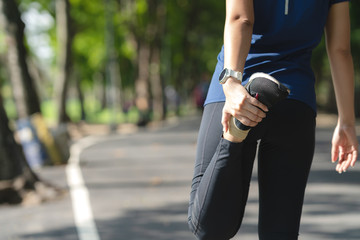
Warming up before training is essential to prepare your muscles and joints for physical activity and to increase your heart rate gradually. A good warm-up includes dynamic stretches and light cardiovascular exercises that mimic the movements you’ll perform during your training session.
Similarly, cooling down after training helps your body transition to a state of rest, reducing the likelihood of post-exercise soreness and stiffness. Incorporate gentle stretching and relaxed breathing in your cool-down routine to aid recovery.

Source: Adobe Stock
by magele picture
Listen to Your Body
Overtraining is a common pitfall in martial arts, often leading to burnout and injury. It’s important to listen to your body and recognize the signs of fatigue. This includes persistent soreness, decreased performance, or prolonged recovery times.
Ensure you’re getting adequate rest and recovery between sessions, and don’t hesitate to modify your training intensity or take a break if you’re feeling unusually fatigued or in pain.

Source: Adobe Stock
by Roman
Cross-Training and Recovery Techniques
Incorporating cross-training can help martial artists develop a well-rounded fitness profile, reducing the risk of overuse injuries by diversifying the types of stress placed on the body. Activities like swimming, yoga, or cycling can complement your martial-arts training while providing rest for overworked muscles and joints. Also, integrating recovery techniques such as foam rolling, massage, or hydrotherapy can aid in muscle recovery and injury prevention.

Source: Adobe Stock
by iQoncept
Seek Medical Advice
Finally, if you do experience an injury or persistent pain, it’s important to seek advice from a medical professional or a sports therapist. Early intervention can prevent minor issues from becoming major problems and can help you develop a plan to safely return to training.
Injury prevention in martial arts is about training smart, listening to your body, and taking proactive steps to care for your physical well-being. By emphasizing proper technique, incorporating comprehensive warm-up and cool-down routines, and adopting a balanced approach to training and recovery, you can enjoy long and healthy martial-arts practice, free from the setbacks of injury.

Global Martial Arts University
Global Martial Arts University (GMAU) hosts a variety of martial arts programs brought directly to you in the comfort of your own home.
Choose from Shotokan Karate, Muay Thai, Taekwondo, Krav Maga and Ultimate Bo.
Try out a program without a commitment by setting up a FREE Beginner’s Account!






Awesome articles, really made a lot of good points.
This was very helpful, and beneficial.