
Hard training builds skill, but hard training requires recovery. For martial artists, active recovery bridges the gap between intense sessions, keeping the body sharp without adding extra wear and tear.
Read on to learn more about purposeful recovery.
By JackF
Light Movement Beats Total Rest
Complete inactivity often leads to stiffness, soreness, and sluggish movement – especially after hard sparring or conditioning.
Light movement encourages blood flow, which delivers nutrients to tired muscles and helps clear metabolic waste without adding training stress.
Low-intensity activities such as walking, easy cycling, swimming, or relaxed shadowboxing keep joints moving and muscles warm. Intensity should stay low enough that you could hold a conversation the entire time. If your breathing or heart rate spikes, you’re no longer recovering … you’re training.
The goal is to feel better at the end than when you started, not fatigued.

By standret
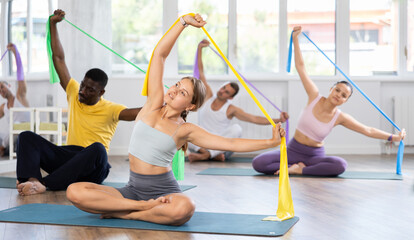
Mobility and Flow Work
After intense training, joints often feel “sticky” or restricted. Mobility and flow work restore smooth movement by gently taking joints through controlled ranges of motion. This is especially valuable for hips, spine, shoulders, ankles, and wrists.
Flow-based movements such as slow lunges, controlled rotations, and ground transitions help reconnect strength with flexibility. Unlike static stretching, mobility work reinforces coordination and joint awareness, both of which degrade under fatigue.
Consistency matters more than duration. Even 10–15 minutes of focused mobility on recovery days can significantly improve how your body feels in the next session.
By Maria Vitkovska
Breathing and Nervous System Reset
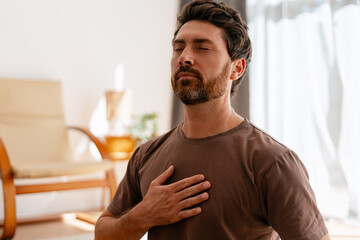
Hard training keeps the nervous system in a heightened “fight-or-flight” state. If that state never fully shuts off, recovery slows, sleep quality drops, and injury risk rises.
Intentional breathing helps shift the body into a parasympathetic (recovery) state. Slow nasal breathing, extended exhales, or simple box breathing can reduce tension and lower stress hormones. This is especially effective after sparring or late-evening training sessions.
Think of breathing as recovery for the nervous system, not just the lungs.
By JustLife
Soft Tissue Care
Soft-tissue work helps reduce muscle tone, improve circulation, and restore movement quality.
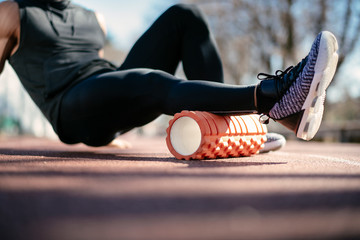
Foam rollers, massage balls, or light self-massage can ease tight areas without aggressive force. Focus on commonly overworked regions: calves, quads, glutes, upper back, and forearms.
Pressure should be tolerable. Grimacing through pain defeats the purpose and can increase muscle guarding.
Used correctly, soft tissue care supports mobility and recovery rather than replacing them.

By Mikael Damkier
Train Better Tomorrow
Active recovery is about preparing for your next session, not proving toughness on your rest days. When recovery is done well, joints move more freely, reaction time improves, and mental sharpness returns faster.
Martial artists who treat recovery as part of training (not an afterthought) tend to train more consistently and avoid long layoffs.
Over time, active recovery becomes a performance advantage, not just an injury-prevention tool.
Train hard when it’s time to train. And recover with the same level of intention.
GMAU Combat Strong
Global Martial Arts University has a modern, science-based strength and endurance course called Combat Strong. This course is designed with the martial artist in mind. It’s also a great total-body workout for non-martial artists
Check out the course overview and learn more about the coach, Weston Titus. You can even try a FREE workout!
SIGN UP today and get Combat Strong!