
Shotokan karate, like all traditional martial arts, places a high value on respect, discipline, and proper conduct. This etiquette is more than just formalities; it reflects the spirit and philosophy behind the art. Even if you train solely at home, you should understand these cultural aspects of your martial art. Read on to learn more.
For new practitioners, understanding dojo etiquette is essential to integrating into the training environment and appreciating the deeper aspects of Shotokan karate. Let’s examine a few important dojo etiquette practices and their applications.
by Pixel-Shot
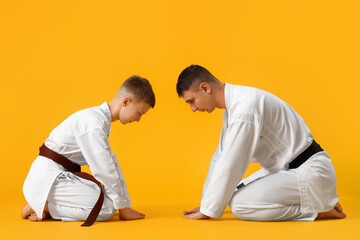
1. Bowing (rei): Bowing is a key expression of respect in Shotokan karate. Whether bowing upon entering the dojo, toward the sensei, or to fellow practitioners, this simple act acknowledges the shared dedication to learning and growth.
Entering and leaving the dojo: Always bow toward the dojo as you enter and exit.
Beginning and ending class: Bowing toward the sensei and other students is a sign of mutual respect and a way to clear the mind for practice.

by DachAI
2. Addressing the Sensei and Senior Students: Respect for the sensei (teacher) and more experienced students (senpai) is a cornerstone of dojo etiquette.
Formal titles: Always address your instructor as “Sensei” and senior students as “Senpai” during class.
Acknowledging instruction: After receiving guidance, bow and say “Oss,” which expresses acknowledgment and readiness to learn.
by Africa Studio
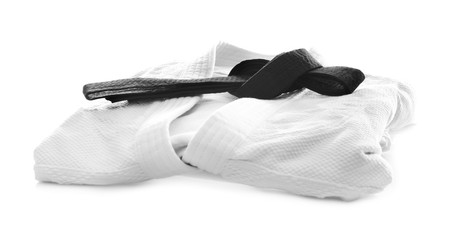
3. Proper Attire and Presentation: Wearing the correct gi (karate uniform) and belt is an important aspect of dojo etiquette. It demonstrates your respect for the art and commitment to training.
Be clean and neat: Ensure your gi is clean, wrinkle-free, and properly tied.
Rank belts: Wear your belt with pride but with humility, understanding that your rank is only one part of your journey.

by liderina
4. Silence and Focus: Dojo time is dedicated to focused learning and improvement. While camaraderie is important, maintaining a respectful and quiet atmosphere allows for concentration and growth.
Speaking only when necessary: Communicate clearly but concisely. Always avoid unnecessary talking during practice.
Concentration (zanshin): Display full awareness during drills, kata, and sparring. This mental focus is a key element of karate.

by vlntn
5. Personal Responsibility and Hygiene: Your presence in the dojo impacts others, so practicing personal hygiene and maintaining your equipment reflects respect for your fellow students.
Personal cleanliness: Keep your hands, feet, and uniform clean, and trim your nails to prevent injury.
Care for the dojo: Help with cleaning the dojo after practice and take care of shared equipment.

by peopleimages.com
6. Training Spirit and Attitude: Etiquette isn’t just about behavior—it’s about the attitude you bring to training. Shotokan practitioners are expected to show humility, perseverance, and a willingness to learn.
Humility over ego: Always train with a spirit of humility, acknowledging that karate is a lifelong journey of improvement.
Respect for others: Treat everyone, regardless of rank, with kindness and respect, recognizing that each person contributes to the dojo environment.

The GMAU Shotokan Karate Course
Are you interested in learning traditional karate? If so, check out our AMAZING Shotokan Karate program!
Set up a FREE Beginner’s Account and start training TODAY!