
Someone walks into a martial arts school, looks around the room, and quietly wonders if they’ve waited too long to begin. They notice younger students stretching with ease, moving quickly through drills, and wearing belts that represent years of experience. Before class even begins, doubt starts to creep in.
For many adults over 40, such doubts are far more intimidating than learning the first punch or kick. Yet they’re also concerns that thousands of martial artists have had before taking their very first class.
The truth is that starting martial arts after 40 isn’t unusual anymore. In fact, many schools are seeing more adult beginners than ever before. While your journey may look different from someone who started as a child, that doesn’t mean it’s any less rewarding.
Situations like this happen more often than you might think. And self-doubt is normal.
Some find themselves asking questions like: Am I too old for this? Will I be able to keep up? Is everyone going to be watching me?
It’s good to be self-aware, but don’t overthink it and let it hold you back!

By 3dts
Your Goals May Be Different … and That’s a Strength
When children begin martial arts, their goals are often shaped by their parents or instructors. Younger adults may be interested in tournaments, competition, or athletic achievement.
By the time many people reach their forties, however, their reasons for training have changed. Some are looking for a way to improve their health after years of sitting behind a desk. Others want practical self-defense skills or an activity they can enjoy with family members. Many simply want to challenge themselves by learning something completely new. These motivations often lead to greater consistency because they come from within.
Adult students are usually less concerned with impressing others and more interested in becoming healthier, stronger, and more confident. If this applies to you, it can become one of your greatest advantages.

By MIKHAIL
Progress Looks Different as We Age
It’s true that your body may respond differently than it did twenty or more years ago. Recovery may take longer, flexibility may require more attention, and certain movements may feel unfamiliar at first. But martial arts has never been about perfection.
Good instructors understand that every student arrives with different abilities, strengths, and limitations. Training is designed to help each individual improve from where they are today—not where they wish they had been years ago.
Many adult students are surprised by the progress they make during their first year. Balance improves. Coordination becomes more natural. Everyday activities feel easier, and confidence begins to grow alongside physical ability.
Those improvements rarely happen overnight, but they often happen more quickly than expected when training becomes a regular habit.

By thinglass
The Greatest Benefits Extend Beyond the Dojo
Perhaps the most rewarding part of beginning martial arts later in life isn’t learning how to block or strike—it’s discovering what you’re still capable of accomplishing. Each class becomes a reminder that growth doesn’t stop with age. Learning new skills, overcoming challenges, and accomplishing goals reinforces something many adults haven’t experienced in years: the excitement of becoming a beginner again.
Martial arts also has a way of reducing stress, improving focus, and creating a sense of accomplishment that carries into work, family life, and other personal pursuits.
Many students join hoping to improve their fitness. They stay because of how training changes the way they think about themselves.

By Jon Anders Wiken
If you’re over 40 and thinking about beginning martial arts, don’t let your age make the decision for you. The hardest part is often getting started. After you start training, every session becomes another opportunity to learn, improve, and surprise yourself.
Martial arts isn’t reserved for the young or the naturally athletic. It’s for anyone willing to approach training with an open mind, a positive attitude, and the commitment to keep showing up.
You may discover that your greatest accomplishment isn’t earning your next belt—it’s proving to yourself that it’s never too late to begin.
Global Martial Arts University
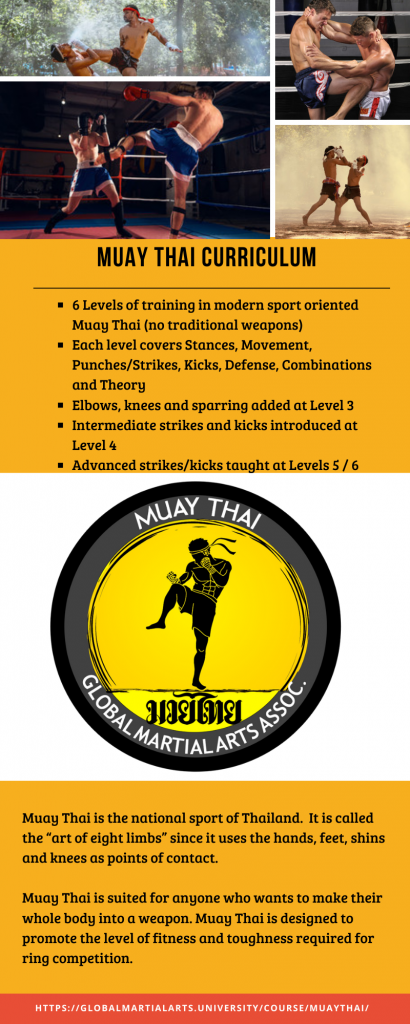
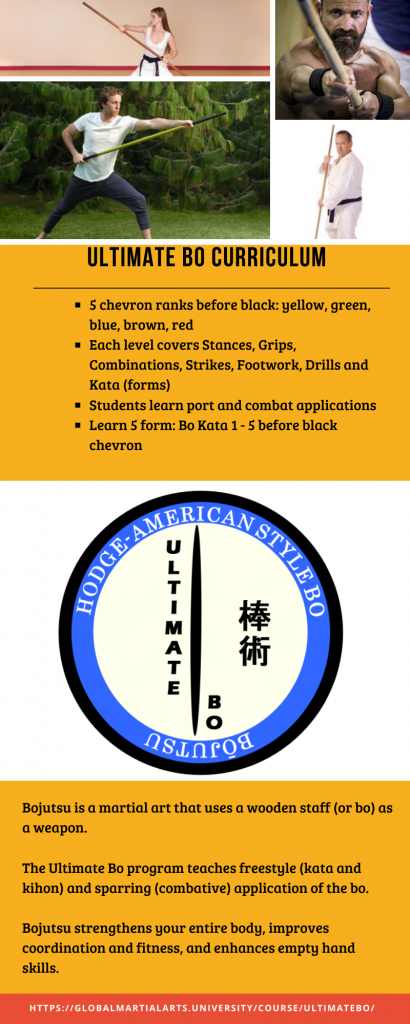
The GMAU offers 6 exceptional martial-arts courses: Shotokan Karate, Muay Thai, Nunchaku, Taekwondo, Ultimate Bo, and Krav Maga.
Many of our students start later in life, and our highly ranked instructors provide you with personal feedback and guidance to help you achieve your goals!




Sign up for a FREE beginner’s course and start training TODAY!






Pingback: Starting Martial Arts After 40: What to Expect – Princeton Club