

Flexibility gets a lot of hype in combat sports. But flexibility – by itself – isn’t everything. Understanding the difference between stretching and mobility can help you train smarter and stay healthier on the mat.
Let’s explore these topics and how they are relevant for martial artists.
By Chris Titze Imaging
Stretching: Length Without Control
Stretching focuses on increasing muscle length, most commonly through static holds. This can be helpful for reducing post-training tightness and maintaining long-term flexibility, especially in heavily used muscle groups like the hips, calves, and upper back.
However, stretching does not train the nervous system to control that range of motion. In combat sports, uncontrolled flexibility can actually increase injury risk when joints are placed under sudden force, such as during takedowns, scrambles, or strikes.
Static stretching is best used after training or during dedicated recovery sessions, not as a primary warm-up tool. Short, relaxed holds can help restore comfort, while overly aggressive stretching may create instability rather than resilience.

By puckillustrations
Mobility: Range You Can Use
Mobility combines strength, coordination, and range of motion. It trains joints to move smoothly while supporting load – exactly what combat sports demand. A deep squat with control, a rotating lunge, or a slow kick performed under tension are all mobility-driven movements.
Because mobility integrates strength, it improves joint integrity and movement confidence. This is especially important for hips, shoulders, spine, and ankles, which must remain stable while moving dynamically under pressure.
Mobility work also enhances technique by allowing better positions with less compensation. When your joints move well, your energy goes into performance instead of fighting stiffness.

By rashid
When to Use Each
Timing matters. Mobility is ideal before training, as part of a warm-up, to prepare joints and nervous system for speed, impact, and unpredictability. It raises tissue temperature while reinforcing safe movement patterns.
Stretching fits best after training or on rest days, when the goal is relaxation and restoration rather than readiness. Short static stretches can calm the body and help reduce lingering tightness from repetitive movements.
Used together – mobility first, stretching later – these tools support both performance and recovery without competing with each other.

By syahrir
In the End…
Combat sports reward athletes who can move freely and control that movement under stress. Stretching helps maintain range, but mobility is what makes that range usable in real-world scenarios.
If you have limited time, prioritize mobility. Stretching can support it, but mobility is what keeps you fast, powerful, and durable over the long term.
GMAU Combat Strong
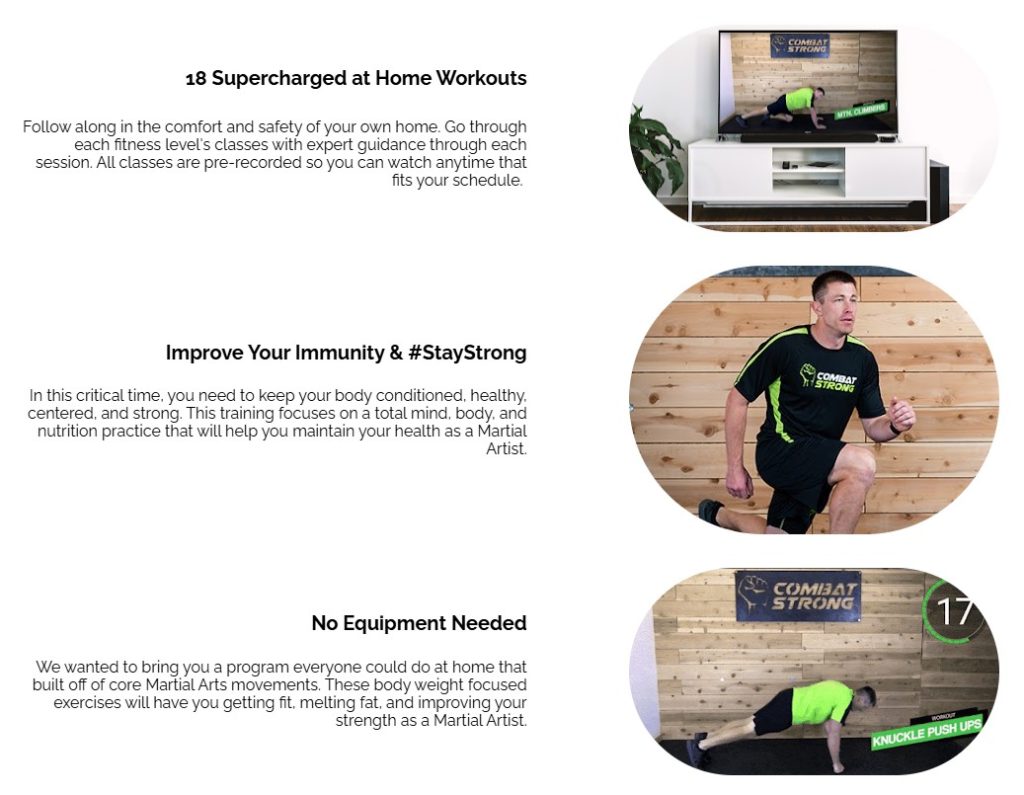
Global Martial Arts University has a modern, science-based strength and endurance course called Combat Strong. This course is designed with the martial artist in mind. It’s also a great total-body workout for non-martial artists
Check out the course overview and learn more about the coach, Weston Titus. You can even try a FREE workout!
SIGN UP today and get Combat Strong!






Pingback: Stretching vs. Mobility: What’s Best for Martial Artists? – Princeton Club