
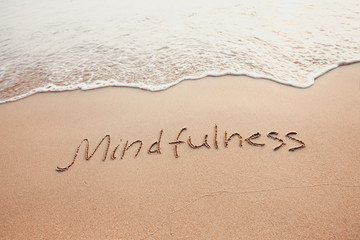
Mindfulness in martial arts is not merely a supplement to physical training but a fundamental aspect of holistic development. By integrating mindfulness practices into their routines, martial artists can unlock new dimensions of performance, resilience, and personal growth.
Whether striving for mastery in the dojo or seeking balance in everyday life, mindfulness serves as a guiding principle towards realizing one’s full potential both as a martial artist and as a person. This article explores how mindfulness can enhance martial arts practice, providing practical insights and techniques for both beginners and experienced practitioners.
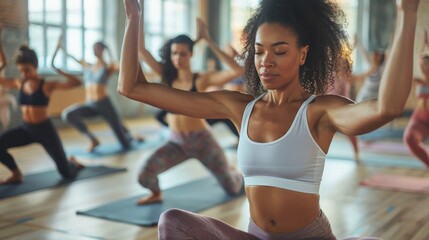
In martial arts, where strength, agility, and technique reign supreme, there exists a subtle yet profound practice that can elevate your skill set beyond physical prowess alone. This practice is mindfulness—a concept deeply rooted in ancient traditions and now increasingly embraced in modern martial arts training.
In this blog post, we delve into the essence of mindfulness in martial arts, exploring its benefits, techniques, and transformative impact on both the mat and in daily life.

by Kenishirotie
Benefits of Mindfulness for Martial Artists
Enhanced Focus and Concentration:
Mindfulness training sharpens the mind’s ability to focus on the task at hand, whether executing a complex technique or reacting swiftly to an opponent’s move. By staying present, martial artists can make split-second decisions with greater clarity and precision.
Stress Reduction and Emotional Regulation:
Combat sports inherently involve high levels of stress and adrenaline. Mindfulness techniques such as controlled breathing and body scanning help regulate emotions and maintain composure under pressure. This not only improves performance but also builds resilience for facing challenges on and off the mat.
Improved Body Awareness and Control:
Mindfulness encourages a deep connection with one’s body, promoting better kinesthetic awareness and motor control. This heightened bodily intelligence allows martial artists to move more fluidly, efficiently, and with reduced risk of injury.
Heightened Sensory Awareness:
In martial arts, situational awareness is crucial for anticipating and reacting to opponents. Mindfulness practice enhances sensory perception, enabling practitioners to read subtle cues and adjust tactics accordingly, whether in sparring or self-defense scenarios.

by Anastasiia
Techniques for Cultivating Mindfulness in Martial Arts
Mindful Breathing
Begin each training session with focused breathing exercises to center the mind and regulate arousal levels. Deep, diaphragmatic breathing not only oxygenates the body but also calms the nervous system, promoting a state of relaxed alertness.
Body Scan Meditation
Conduct regular body scan meditations to systematically bring awareness to different parts of the body. This practice enhances proprioception (your body’s ability to sense its movement and location) and helps release tension, fostering a more balanced and responsive physical state.
Meditative Movement
Integrate mindful movement practices such as Tai Chi or Qigong into martial arts training routines. These disciplines emphasize slow, deliberate motions synchronized with breath, promoting fluidity, balance, and mindfulness in motion.
Visualization and Mental Rehearsal
Use visualization techniques to mentally rehearse techniques, scenarios, and strategies. This mental training enhances cognitive readiness and reinforces muscle memory, which leads to more effective performance during actual combat.

by Sittipol
Applying Mindfulness Outside of Training
The benefits of mindfulness extend far beyond martial-arts training sessions. By cultivating mindfulness on the mat, you’ll develop skills that are transferable to everyday life:
- Conflict Resolution: Enhanced emotional regulation and empathy help in managing conflicts and fostering constructive relationships.
- Stress Management: Mindfulness techniques serve as valuable tools for coping with daily stressors and maintaining overall well-being.
- Personal Growth: Greater self-awareness nurtures a sense of purpose and resilience, empowering you to navigate life’s challenges with confidence.

Global Martial Arts University Courses
The GMAU has 6 martial arts courses to choose from. Train at home at a fraction of the cost of “brick and mortar” school fees!
Taekwondo – Taekwondo is a Korean martial art known for its emphasis on high kicks, fast kicking techniques, and dynamic movements. It combines self-defense techniques, such as punches and blocks, with various kicking techniques. Taekwondo also places importance on discipline, respect, and moral development alongside physical training. It is practiced both as a competitive sport and as a means of improving physical fitness and mental discipline.
Muay Thai – Muay Thai, also known as Thai boxing, is a martial art and combat sport originating from Thailand. It’s known for its powerful striking techniques using fists, elbows, knees, and shins. Muay Thai practitioners develop strong conditioning and endurance through rigorous training that includes pad work, sparring, and clinching. It’s characterized by its aggressive and effective fighting style, often used in both competitive bouts and as a form of self-defense training.
Nunchaku – Nunchaku, often referred to as nunchucks, is a traditional Okinawan martial arts weapon consisting of two sticks connected by a short chain or rope. Originally used as a farming tool, it became popularized as a weapon in martial arts, particularly associated with styles like Karate and Kobudo. Nunchaku techniques involve rapid swinging, striking, and trapping movements, requiring skillful handling and coordination. Today, nunchaku are also used in various forms of martial arts demonstrations and competitions, as well as in some self-defense practices.
Shotokan Karate – Shotokan Karate is a traditional Japanese martial art developed by Gichin Funakoshi in the early 20th century. It is one of the most popular styles of karate practiced worldwide. Shotokan emphasizes strong, linear movements and deep stances, focusing on powerful strikes (punches, kicks, knee strikes, and elbow strikes), blocks, and kata (pre-arranged forms or patterns of movements). Practitioners of Shotokan Karate also train in kumite (sparring) to apply their techniques against opponents in a controlled environment. Shotokan Karate places emphasis on physical fitness, mental discipline, and character development through rigorous training and adherence to its core principles of respect, perseverance, and self-control.
Krav Maga – Krav Maga is a military self-defense and fighting system developed in Israel. It emphasizes practical techniques that are effective in real-world situations, focusing on neutralizing threats quickly and decisively. Krav Maga techniques include strikes (such as punches, kicks, and elbow strikes), grappling, and defenses against various types of attacks including grabs, chokes, and weapons. It’s known for its efficient and aggressive counter-attacks designed to incapacitate an opponent swiftly. Krav Maga training also includes scenarios and simulations to prepare practitioners for the stress and unpredictability of violent confrontations. It’s widely taught for self-defense and has applications in law enforcement and military training worldwide.
Ultimate Bo – Bojutsu is a Japanese martial art focused on the use of the bo, a long staff typically made of wood, bamboo, or metal. Staff techniques in bojutsu include strikes, blocks, thrusts, sweeps, and spins, emphasizing both offensive and defensive maneuvers. Bojutsu training also includes kata (forms) and partner drills to develop coordination, timing, and fluidity in handling the staff. Historically used in battlefield combat and later adapted into martial arts systems like Kobudo, bojutsu remains practiced today as a traditional martial art and as a component of various modern martial-art styles.
When you navigate to any of the courses on the GMAU website you can click on the JOIN NOW FREE button to set up a FREE Beginner’s Account and start training IMMEDIATELY!






I’m trying to practice mindfulness so that I can improve body awareness and control. But I know it’s hard sometimes to practice it..