
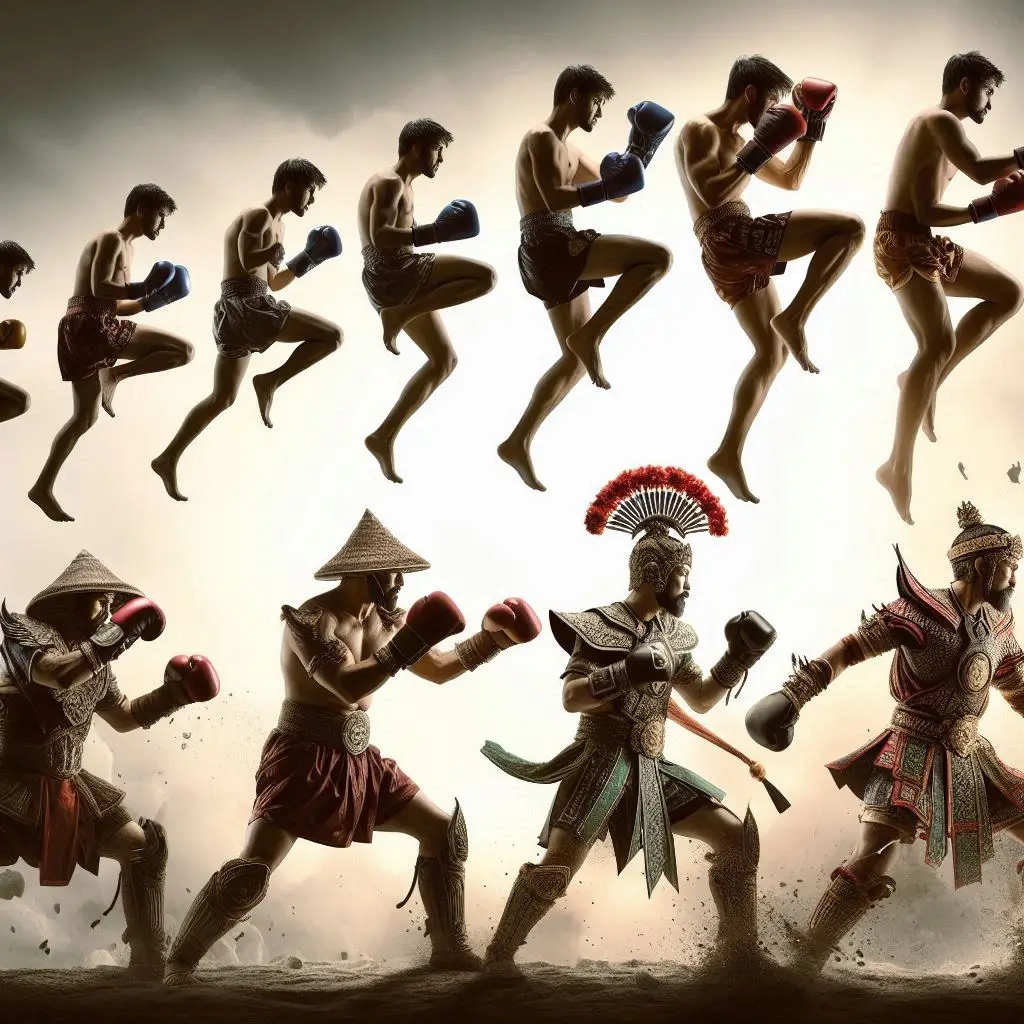
Muay Thai, known as “The Art of Eight Limbs,” is Thailand’s national martial art—a striking system that uses punches, kicks, elbows, and knees in fluid, devastating combinations. But beyond its modern image as a fierce combat sport, Muay Thai has a deep history rooted in survival, warfare, and cultural identity.
From Battlefield to Combat System
Muay Thai’s early ancestor-style, Muay Boran, was developed as a practical hand-to-hand combat method for Thai soldiers. In the chaos of battle, when swords or spears were lost, warriors needed a way to defend themselves. They used the body as a weapon: fists became swords, elbows became hammers, shins and knees were axes, and the head was even used like a battering ram. This was not sport—it was survival.
These techniques were passed down informally through generations and regional variations developed. Fighters were often trained within military units or local temples, focusing on conditioning, striking power, and the use of all parts of the body to attack and defend.

by saravut
Ritual Meets Refinement
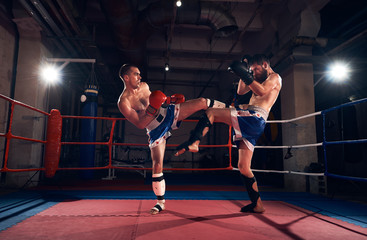
By the 16th through 18th centuries, during times of peace, Muay Thai began to take on a more ceremonial and sporting form. Matches were held during festivals and royal events, sometimes with fighters wrapping their hands in hemp rope (muay kard chuek) to protect the knuckles and inflict more damage. These events helped refine techniques for one-on-one combat rather than battlefield chaos, emphasizing timing, footwork, and strategy. The Wai Khru Ram Muay, the traditional dance performed before bouts, reflects this shift. What was once a battlefield warm-up became a deeply symbolic ritual honoring teachers, lineage, and spirit.
by anatoliy_gleb
Modernization and the Birth of Sport Muay Thai
In the early 20th century, under King Rama VII, Muay Thai underwent major changes to align with Western boxing standards. The rope wraps were replaced by gloves, weight classes were introduced, rings were adopted, and timed rounds were established. This transformation made Muay Thai safer, more structured, and more suitable for sport and international competition. Techniques became more standardized.
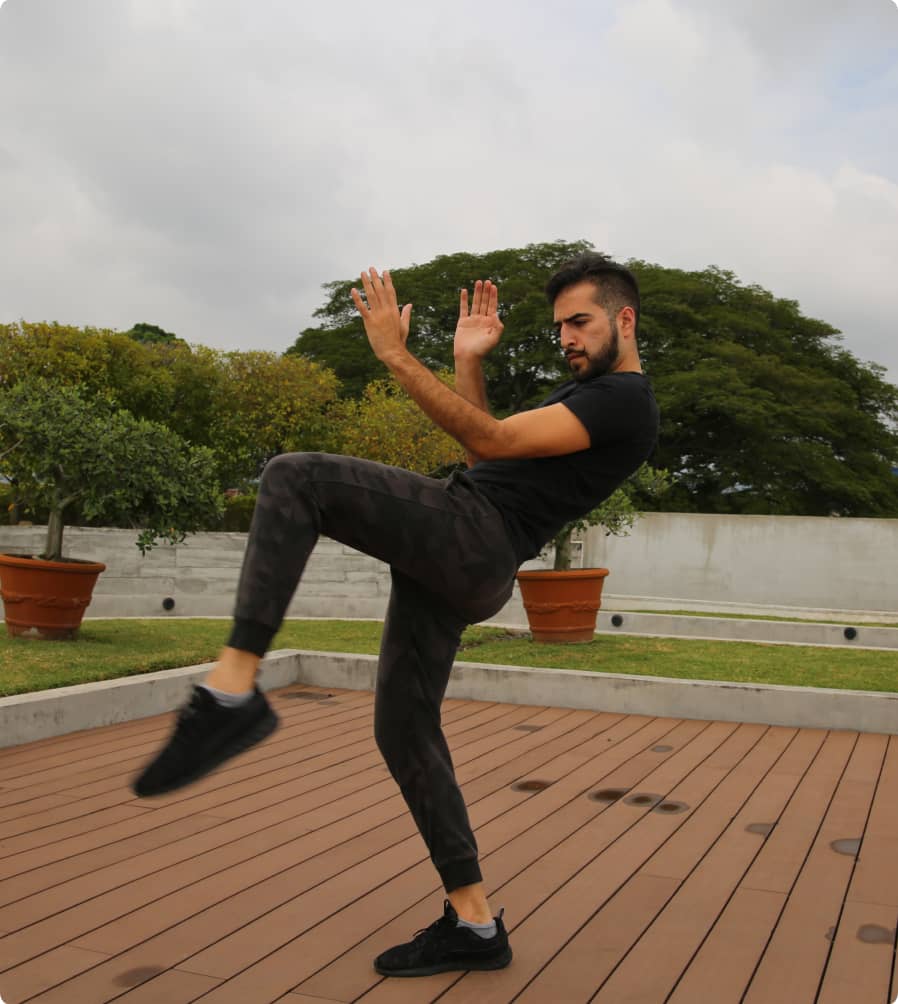
While Muay Boran emphasized aggression and efficiency, sport Muay Thai began focusing on scoring, endurance, and showmanship. Defensive skills like blocks, clinches, and sweeps became more prominent. Fighters learned to adapt their style for judges, rules, and longer fights.
by soto2
Global Reach, Traditional Roots
Today, Muay Thai is practiced worldwide, not only as a competitive sport but also as a system for fitness, self-defense, and personal discipline. Yet, despite its global spread and modernization, the heart of Muay Thai remains traditional. Fighters still perform the Wai Khru. Respect for teachers and opponents is embedded in its culture. And every elbow thrown carries the legacy of ancient warriors.
Muay Thai’s journey from the battlefield to the ring is a testament to its power, adaptability, and spirit. It’s more than just a fight—it’s living history in motion.
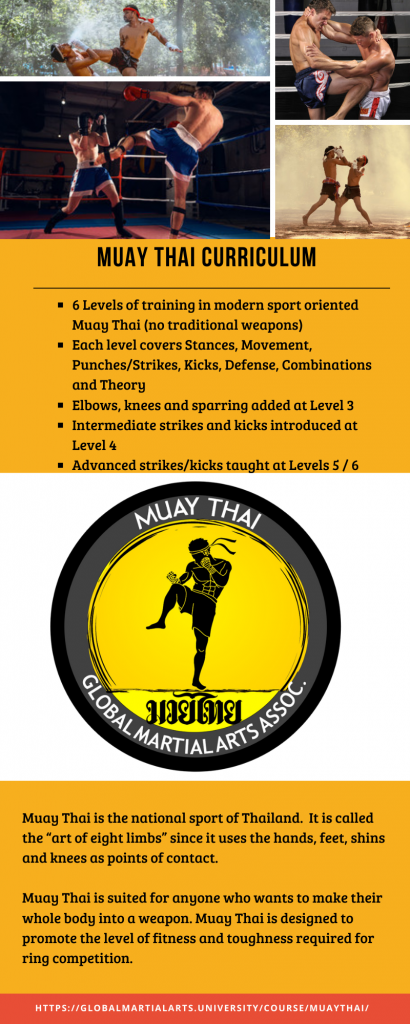
Global Martial Arts University Muay Thai Course
Want to learn Muay Thai from a high-level Instructor in the comfort of your own home? Check out the GMAU Muay Thai course!
Set up a FREE Beginner’s Account and start training TODAY!







Pingback: Muay Thai: The Evolution of a Warrior’s Art – Kampfsport1
Pingback: Muay Thai: The Evolution of a Warrior’s Art – SportBlitz