

While the nunchaku is a dynamic and versatile weapon, it presents unique challenges for practitioners. It can be difficult to learn how to use, and beginners and even more practiced people make some common mistakes. Understanding these pitfalls is the first step to overcoming them and mastering this iconic weapon.
Grip Issues
One of the most frequent mistakes is gripping the nunchaku too tightly. While it might seem that a firmer grip should give you better control, it actually restricts the fluidity and speed necessary for effective technique.
Also, improper grip placement, such as holding too close to the chain or too far from the end, can affect your ability to maneuver the nunchaku with precision.
Skipping the Fundamentals
In a rush to learn flashy techniques, many practitioners overlook the importance of mastering the basics. Foundational skills like proper spins, strikes, and control are essential for advanced moves. Inconsistent practice or neglecting these fundamentals can lead to slower progress and frustration down the line.
Coordination Challenges
Nunchaku requires excellent coordination between the hands and body. Timing is crucial, and misjudging the swing or strike can result in sloppy execution or, even worse, accidental (and painful) strikes to your own body.
Synchronization between both hands is also vital; a lack of coordination often results in awkward and ineffective movements.
Risk of Injury
The risk of injury from improper technique is common, especially for beginners. All nunchaku practitioners have accidentally struck themselves at one time or another while practicing their spins and transitions. Overextending during strikes can also lead to loss of control, making injury more likely. To avoid this, focus on controlled movements and proper form.
Neglecting Safety Precautions
Safety should always be a priority when training with nunchaku. Beginners often start with metal or wooden nunchaku, which significantly increases the risk of injury. Using foam or training nunchaku is a safer option until you’ve gained more control.
Additionally, practicing in a crowded or confined space can lead to accidents, so ensure you have ample room to train.
Lack of Patience
Mastery of nunchaku requires time and patience. It’s easy to get frustrated when your progress seems slow. Perseverance is key.
Skipping practice when faced with difficulties or giving up too soon will only hinder your development. Embrace the learning curve and remember that consistency is crucial.
Nunchaku is a rewarding weapon to learn, but it’s not without its challenges. By being aware of these common mistakes and addressing them with focused practice and patience, you can refine your skills and progress safely on your martial-arts journey.
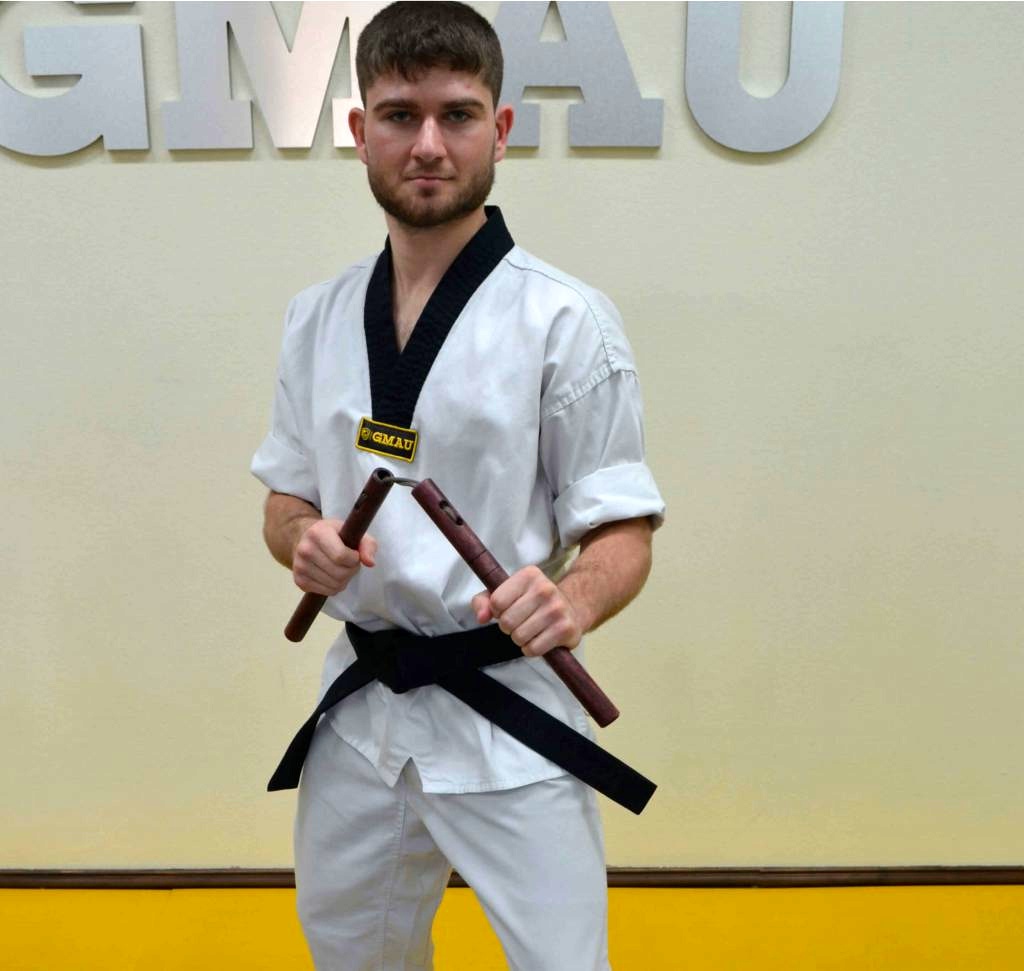
The Global Martial Arts Nunchaku Program

Want to learn how to use the Nunchaku properly and effectively? Set up a FREE Beginner’s Account and start learning TODAY!








request for training demonstration tips
Hi Spencer,
For questions related to courses, training methods, and how to record and provide your demonstration videos to the GMAU, please create a new ticket on our Student-Support Portal.
Thanks!